Key Takeaways
- Sulforaphane isn't just sitting in broccoli waiting to be eaten. It is a powerful compound created only when a precursor (glucoraphanin) mixes with a specific plant enzyme (myrosinase) through chopping, chewing, or digestion.
- As a potent antioxidant, sulforaphane supports healthy immune function, promotes neurological health, and helps maintain a normal blood glucose response.
- High heat destroys the enzyme required to make sulforaphane. To get the most from your food, eat cruciferous vegetables raw or briefly steamed.
- If you struggle to eat enough raw or lightly cooked cruciferous vegetables daily, sulforaphane supplements (commonly extracted from broccoli sprouts) are a convenient, reliable way to support your cellular health.
What Is Sulforaphane and How to Get More of It?
Sulforaphane has been linked to a variety of powerful health benefits, from immune support to healthy blood glucose response and antioxidant defense, but what is sulforaphane exactly? Today we’ll look into this potent phytochemical found in cruciferous plants (like broccoli or cauliflower) and explore sulforaphane’s potent benefits.
Top Health Benefits of Sulforaphane
Research (both in-vitro and animal) has linked sulforaphane with a variety of health benefits, many associated with immune function and activation.1 It also offers antioxidant defense, supports a healthy blood glucose response, and supports neurological health.2
Best Food Sources of Sulforaphane
Sulforaphane is naturally occurring in certain plants, such as cabbage, kale, and cauliflower.2 Most often, however, it is associated with broccoli, in which it exists as a precursor called glucoraphanin.3
How to Maximize Sulforaphane When Cooking
Eating raw broccoli when possible is always best, as it contains active myrosinase (an enzyme that helps convert glucoraphanin into sulforaphane when plant cells are damaged through cutting, chewing, or digestion). Chopping or thoroughly chewing broccoli helps bring glucoraphanin and myrosinase together, allowing sulforaphane to form.
Chopping broccoli before cooking also gives myrosinase time to begin converting glucoraphanin. Research has suggested that allowing chopped broccoli to rest before heating may help preserve sulforaphane-forming potential, although the ideal timing may not be practical for every meal.
If time allows, chop broccoli approximately 30 to 60 minutes before cooking, then steam it briefly (about three minutes). It’s been found that steaming broccoli is the best route for preserving its sulforaphane-related benefits, while microwaving or boiling it can reduce or prevent the formation of this important compound.4
If you prefer your broccoli to be softer and must boil or otherwise prepare it without steam, you can still benefit from sulforaphane by pairing the cooked broccoli with a raw food like cabbage or mustard seed. If broccoli has been thoroughly cooked, adding another uncooked, myrosinase-containing food may help support sulforaphane formation from the remaining glucoraphanin.5
Sulforaphane Supplements: What to Look For
If broccoli isn’t your favorite part of dinner, there’s good news: sulforaphane supplements are available, such as those extracted from broccoli sprouts. Supplements offer a way to add sulforaphane without counting florets at every meal.
Potential Side Effects and Dosage
Sulforaphane is generally safe, whether consumed through food sources or as a supplement, and the tolerable amounts can vary, as both human and animal trials have focused on multiple scenarios.3 However, no firm daily dosage has been established.1 If you are concerned about possible side effects or the amount you should aim for each day, it’s best to speak with your doctor about your individual needs. The best approach is to focus on food: include a variety of cruciferous vegetables regularly and prepare them in ways that preserve flavor and texture. Supplements are also available to help meet your daily dose.
Frequently Asked Questions (FAQ)
Can I get enough sulforaphane just from eating broccoli?
You can obtain glucoraphanin and potentially produce sulforaphane by eating broccoli, broccoli sprouts, and other cruciferous vegetables. However, the amount of sulforaphane produced varies based on the vegetable, preparation method, myrosinase activity, and individual digestion. There’s no established daily requirement for sulforaphane, so it isn’t necessary to reach a specific daily target. Eating cruciferous vegetables regularly is a practical, food-first strategy.
Are sulforaphane and glucoraphanin the same thing?
Not quite; glucoraphanin is the precursor (that is, a nutrient the body uses to make sulforaphane), while sulforaphane is the compound formed when glucoraphanin is converted by myrosinase.5
In simple terms:
- Glucoraphanin: The stored plant compound
- Myrosinase: The enzyme that helps activate it
- Sulforaphane: The resulting bioactive compound
When is the best time to take a sulforaphane supplement?
It’s best to take supplements consistently, so aim for a time each day that’s most convenient for you to remember your daily dose. Consistency and product quality are more important than the time of day.
The Bottom Line
Sulforaphane may be something of an unsung hero when it comes to dietary supplements, but it certainly delivers a hefty degree of benefits, from healthy aging to proactive wellness. For a food-first approach, eat broccoli raw when practical or steam it briefly. When using more intensive cooking methods, consider adding a small amount of mustard seed, raw radish, arugula, or another uncooked cruciferous food to provide myrosinase. You may also consider a convenient supplement option for additional support.
References:
- Baralić, K., et al. Sulforaphane-A Compound with Potential Health Benefits: Insights from Pharmacological and Toxicological Experimental Studies. Antioxidants (Basel). 2024 Jan 25; 13 (2): 147.
- Kim, K., and Park, U. Current Potential Health Benefits of Sulforaphane. EXCLI J. 2016 Oct 13; 15: 571-577.
- Yagishita, Y., et al. Broccoli or Sulforaphane: Is It the Source or Dose That Matters? Molecules. 2019 Oct 6; 24 (19): 3593.
- Wang, C., et al. Impact of Thermal Processing on Sulforaphane Yield from Broccoli ( Brassica oleracea L. ssp. italica). J Agric Food Chem. 2012 Jul 11; 60 (27): 6743-8.
- Nelson, M. Broccoli: Steam it to Boost Compounds.
DISCLAIMER:
These statements have not been approved by the Food and Drug Administration. These products are not intended to diagnose, treat, cure, or prevent disease.
























































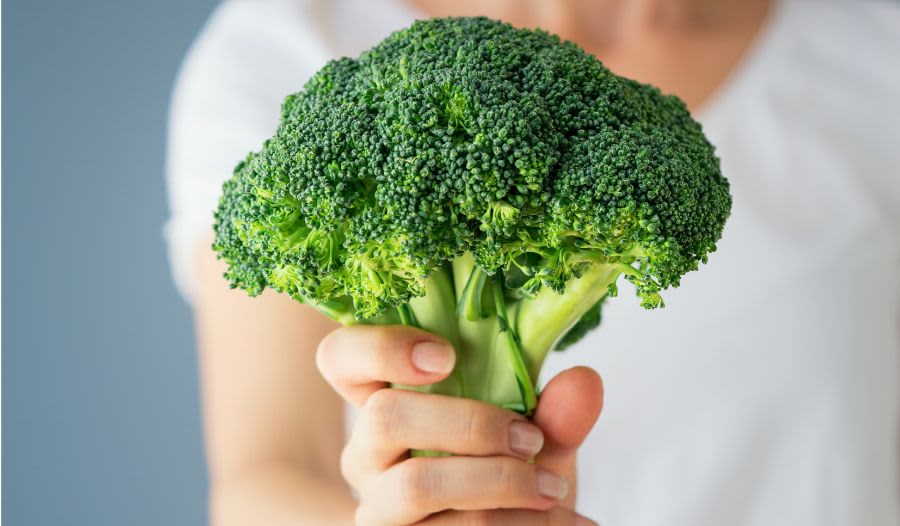
 Table of Contents