Key Takeaways
- Reducing dust and irritants is a common cleaning goal for people with asthma: Indoor triggers may include dust mites, mold, pet dander, and strong fragrances.
- Cleaning products can affect air quality: Fragrance-free or low-irritant products are often preferred in asthma-friendly cleaning routines.
- Regular cleaning may help reduce buildup: Vacuuming, washing bedding, and controlling moisture are commonly emphasized household habits.
- Ventilation is important during cleaning: Opening windows or improving airflow may help reduce exposure to airborne irritants.
- Some cleaning habits may help limit flare-ups: Using microfiber cloths, HEPA filters, and gentler products are often recommended for more asthma-conscious cleaning.
Disinfectants of all kinds, including bleach, can worsen — and even cause — asthma. Yet you might clean in a quest to sanitize precisely because you have asthma or want to avoid it.
Store-bought cleaning products, including those that are unscented, often have volatile organic compounds that release harmful gases, which you wind up inhaling. Aside from chlorine bleach, other nasty standouts include: aerosol spray, air freshener, ammonia, oven cleaner, and rug cleaner.
Cleaning Tips: What to Look for on Labels
Even products pitched as gentler can be problematic. You might be drawn to cleaners labeled “natural,” “plant-based,” “green,” or “eco-friendly,” but that’s all hollow marketing speak (Green Seal is a real thing, but it has to do with sustainability.) And “free of” or “free from” distracts from what really matters, which is what the product does contain.
Instead, look at ingredient lists. You can find a decent guide for decoding labels from the Environmental Working Group, the Washington D.C.-based non-profit organization that advocates for consumer safety and environmental protection.
Still, discerning what’s truly in a product can be tough. “Unlike manufacturers of cosmetics and personal care products, companies that make cleaning products are not required to list the ingredients they put in their formulations on the package, bottle, or box,” EWG notes. “This lack of disclosure can make it almost impossible for consumers to find the healthiest products.”
But a smart move can make it possible: Use certain basic products.
Consider these simple alternatives, which The Mesothelioma Center includes in its lung-safe cleaning guide: baking soda, castile soap, hydrogen peroxide, isopropyl alcohol, lemon, and white vinegar.
You can mix any of these, along with water, for a homemade cleaner.
A few safety notes: Never mix vinegar or ammonia with chlorine bleach because that can release dangerous chlorine and chloramine fumes. And if a product is “chlorine-free,” it doesn’t have chlorine bleach, which releases traces of harmful chlorine gas. But it might have oxygen bleach, which is weaker than chlorine bleach, but still isn’t healthy to inhale. Both types of bleach are irritating or corrosive, so asthma aside, it’s worth avoiding both.
Asthma-Friendly Cleaning Products
Hardwood floors with a polyurethane finish
A ratio of 1 cup white vinegar to 3 to 4 gallons of warm water, per Consumer Reports, the nonprofit organization that tests products for safety and effectiveness. To see whether your wood floor is finished with polyurethane or wax, put a few drops of water on it. If white spots appear after 10 minutes, you’ve got a wax finish. Otherwise, it’s polyurethane. Also, if scratching the wood makes flakes, wax is the finish. Otherwise, it’s polyurethane.
Bathtub
A generous pour of baking soda on a sponge dampened with water (you don’t want the baking soda to dissolve). Rub against a dry tub. You’ll immediately see gray grime jam up the sponge’s baking soda.
Kitchen sink, drain, and garbage disposal
Use the bathtub combo and method to clean any sink. If your kitchen sink has a rubber skirt-like ring, Consumer Reports recommends baking soda and water for it, too. Rub both sides of the ring with the baking soda paste. Freshen the garbage disposal and drain by running the disposal with a mix of 6 ice cubes, 1 tablespoon of baking soda, and some thin lemon slices.
Ceramic stovetop
Use baking soda on a barely damp sponge, along with elbow grease. A razor applied at a 15- to 20-degree angle to the surface works perfectly for tough raised stains, but if you’re not confident using it correctly, don’t.
Glass, mirrors, and windows
White vinegar. That’s it, though you can dilute it with a little water if you want. Spray and rub.
Toilet seats
Rub them down with alcohol or hydrogen peroxide that you’ve put on a paper towel or the like.
If you’re looking to scent your DIY cleaning combo, The Mesothelioma Center says the following essential oils are lung-safe options: bergamot, eucalyptus, frankincense, lavender, myrrh, peppermint, pine, and tea tree.
More Lung-Safe Cleaning Tips
And follow these general, easy tips for lung-safe cleaning:
Keep dust away.
Vacuum regularly (use a machine with a HEPA, or High-Efficiency Particulate Air, filter) and keep surfaces as clear as possible so they don’t accumulate dust. Dust mites and other debris are bad for asthma. Make sure to empty or change the filter regularly.
Clean in a well-ventilated area.
Open windows or at least use an exhaust fan to draw air out of the room.
Control moisture to limit mold.
Use an exhaust fan after bathing. Spray vinegar on tub walls and allow them to air dry.
If you must use standard cleaning products, including bleach, make sure they’re unscented and use a face mask, especially an N95. “Fragrance” in an ingredient can be a cover term for harmful substances such as phthalates, which can cause health problems from birth defects to cardiovascular disease, as well as respiratory problems. Keep in mind that a mask might make it harder to breathe.
References:
- Asbestos.com. (n.d.). Lung-safe household products. The Mesothelioma Center. https://www.asbestos.com/mesothelioma/related-diseases/lung-safe-household-products/
- Environmental Protection Agency. (n.d.). Asthma triggers: Gain control (Dust mites). United States Environmental Protection Agency. https://www.epa.gov/asthma/asthma-triggers-gain-control#dust-mites
- Environmental Protection Agency. (n.d.). Asthma triggers: Gain control (Molds). United States Environmental Protection Agency. https://www.epa.gov/asthma/asthma-triggers-gain-control#molds
- Environmental Working Group. (n.d.). Decoding the labels. EWG's Guide to Healthy Cleaning. https://www.ewg.org/cleaners/content/decode/
- Environmental Working Group. (n.d.). Oxygen bleach (Substance group profile). EWG's Guide to Healthy Cleaning. https://www.ewg.org/cleaners/substance_groups/129-Oxygenbleach/
- Environmental Working Group. (n.d.). Quick facts about cleaning products and your health. EWG's Guide to Healthy Cleaning. https://www.ewg.org/cleaners/content/quick-facts/
- Lunder, S. (2014, May 1). 9 ways to avoid hormone-disrupting chemicals. Natural Resources Defense Council (NRDC). https://www.nrdc.org/stories/9-ways-avoid-hormone-disrupting-chemicals
- Polivka, B. J., Huntington-Moskos, L., Folz, R., & Barnett, R. (2022). CE: Environments & health: Chemicals in the home that can exacerbate asthma. AJN, American Journal of Nursing, 122(5), 34–39. https://pubmed.ncbi.nlm.nih.gov/35394947/
DISCLAIMER:
These statements have not been approved by the Food and Drug Administration. These products are not intended to diagnose, treat, cure, or prevent disease.











































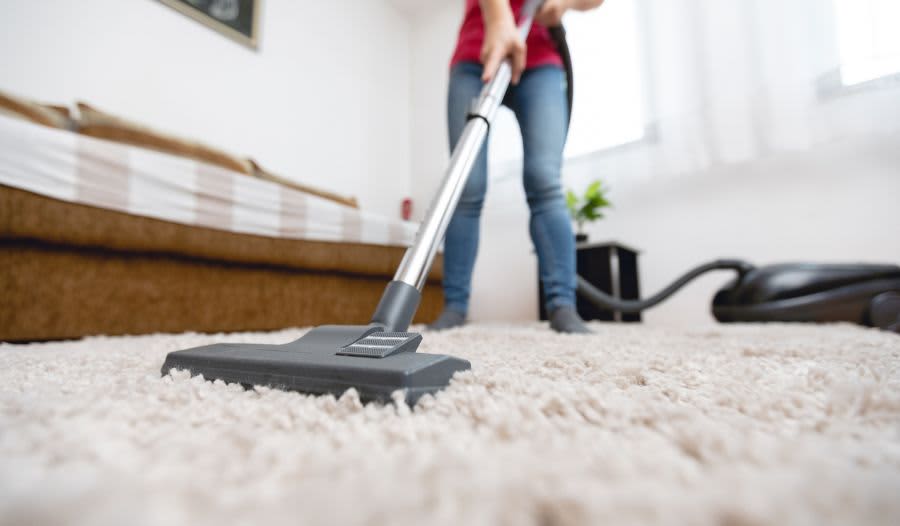
 Table of Contents